Free shipping on orders of ₹999 and above; a flat ₹59 applies below that.Customer service: 11:00 AM – 10:00 PM IST, daily except MondayUPI & Cash on Delivery
Browse
A beginner telescope, described honestly

A telescope is one of the few toys where the gap between expectation and reality can spoil the whole thing. It is worth being plain about what a beginner instrument does.
What you will see
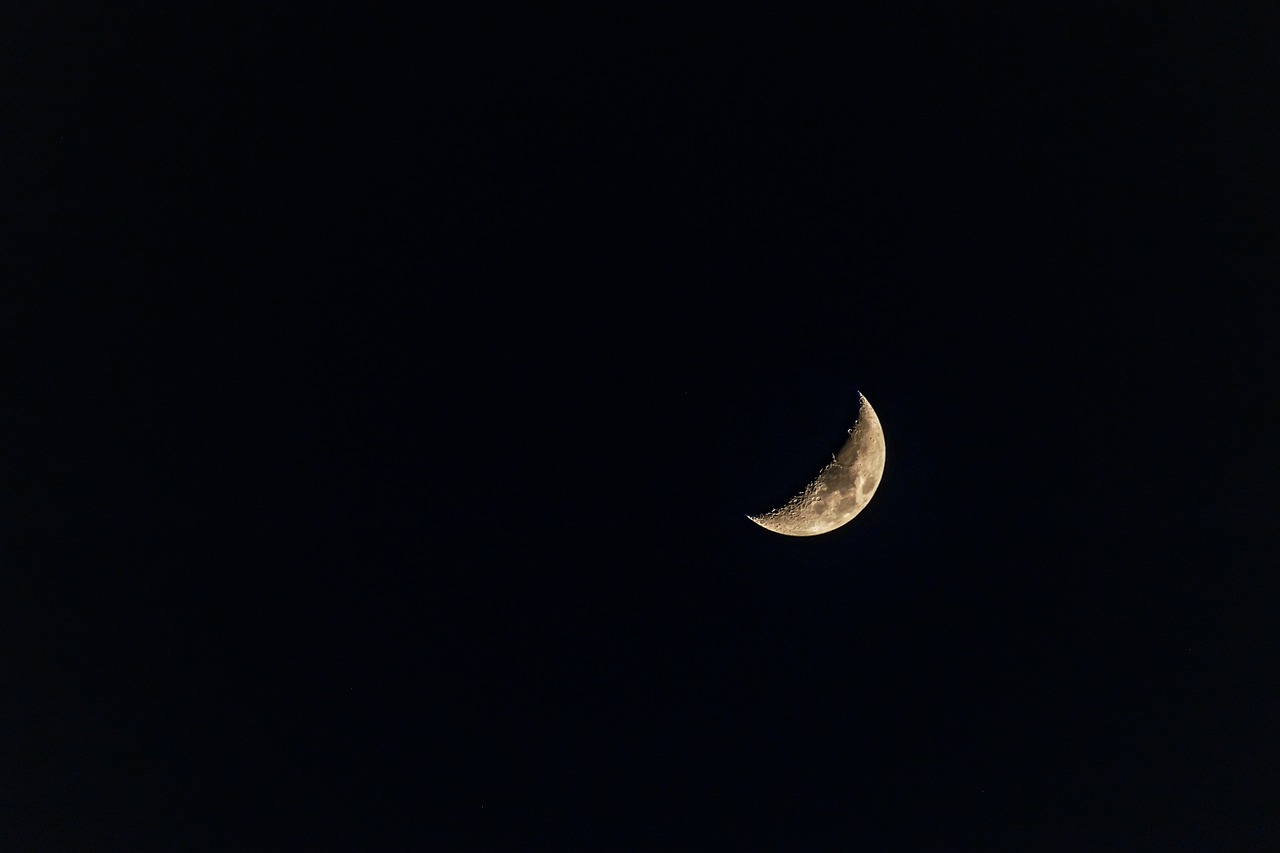
- The moon — genuinely impressive, with craters along the terminator line.
- Jupiter as a small disc with up to four points of light beside it.
- Saturn as an oval; the rings are visible as a shape rather than as separate bands.
- Bright star clusters on a clear night away from streetlights.
What you will not see
Colour photographs of nebulae come from long-exposure cameras, not from the eyepiece. Deep-sky objects through a small aperture look like faint grey smudges, and city light makes that worse. Saying this before the purchase avoids a disappointed evening after it.
Practical points
- The tripod matters as much as the optics — a wobbling image is unusable at high magnification.
- The lowest-power eyepiece is the one to start with, always.
- Let the instrument sit outside for fifteen minutes before use so it reaches air temperature.
- Never point it at the sun.
Our position
We list beginner instruments as beginner instruments. They are for the moon and bright planets, not for research, and we would rather say so than let an aperture figure suggest otherwise.